






Long corporate events can lose the room faster than organizers expect.
A few long presentations, the same format repeated over and over, and almost no audience involvement are often enough to make people reach for their phones or stop paying attention.
Guests usually know they are in for a full schedule, but that does not mean they want to spend the entire day listening in silence.
When one session feels almost identical to the next, concentration becomes harder to maintain.
Real engagement is visible in what people do, not just in how many seats are occupied.
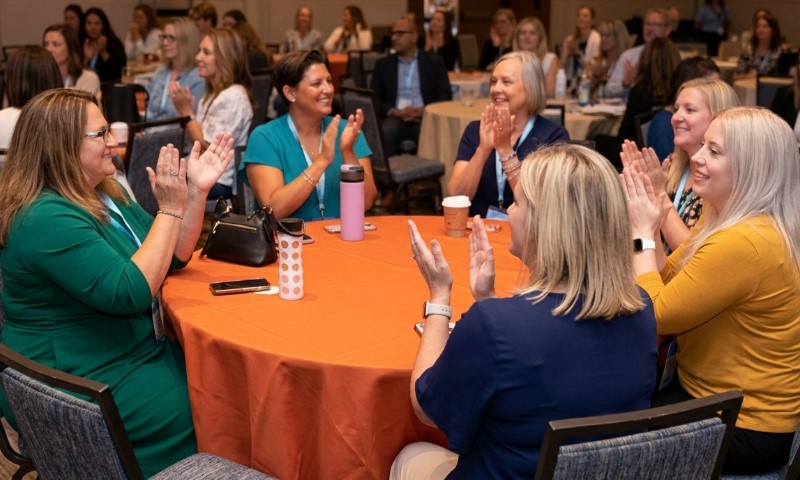
The engagement can be seen rather clearly, with guests participating in discussion and their willingness to discuss their ideas or provide contributions of any kind.
Let us take a look at the ways you can actually keep your guests engaged, even when it may seem impossible in long corporate events.
Pay Attention to Details When Making the Schedule
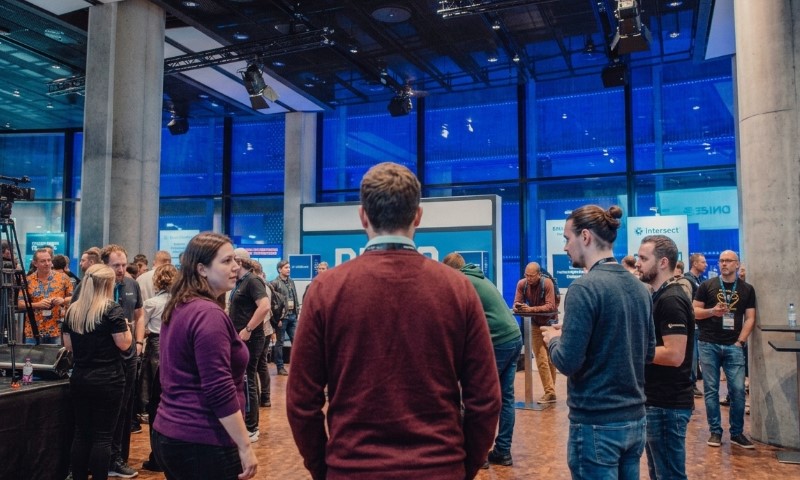
A well-planned agenda takes natural energy changes into account.
Session timing, format, length, and break placement all influence how alert and involved guests feel as the day moves forward.
Break Long Presentations into Shorter Segments
We will all agree that having enough focus to listen and absorb information for a long time is practically impossible.
Therefore, we believe that breaking the event into shorter segments can be of big help.
A keynote or panel does not have to run as one uninterrupted block. It can be broken up with a short discussion, a demonstration, an audience question, or a collaborative task.
Several lecture-style sessions should not sit back-to-back on the agenda. Guests need a change of pace before their attention starts to fade.
Workshops are especially useful because they ask people to do something with the information they have just received.
Attendees might develop a simple prototype, practice a skill, solve a case study, or leave with a finished result.
Speakers can also keep the room involved by using questions, short exercises, practical examples, and planned moments of participation throughout the session, rather than saving all interaction for the final five minutes.
Add Variety Throughout the Day
Changing the format can refresh the room almost instantly. Lectures, workshops, discussions, demonstrations, networking sessions, and entertainment should appear at different points in the schedule.
More energetic activities are often best placed after lunch or during the afternoon, when concentration tends to dip. A live demonstration, team exercise, short performance, or interactive challenge can help guests reset.
The physical setting matters too. Rows of identical chairs facing a stage may work for a keynote, but they are less effective for every part of the day.
Placing a photo booth app for iPad can be one of the activity stations where guests can have fun by making GIFs, videos, or even slow-motion clips.
Other hands-on areas can include product trials, virtual reality stations, tastings, demonstrations, or do-it-yourself snack bars. These spaces give people a natural reason to gather and start talking.
Turn Passive Sessions into Interactive Experiences
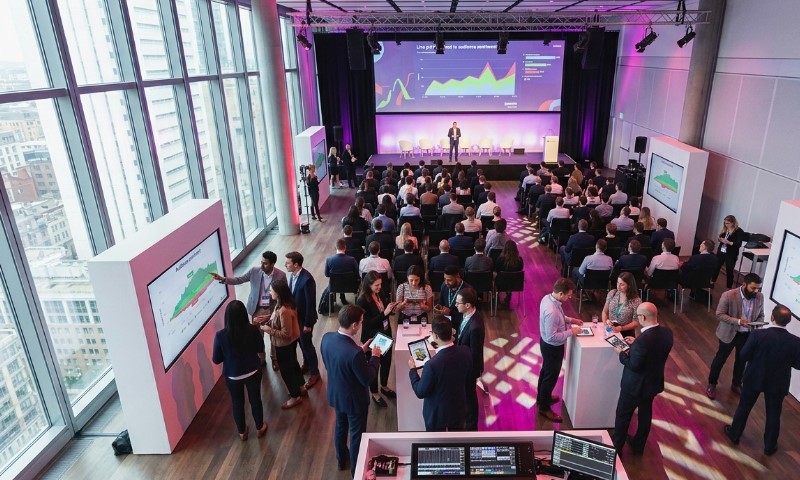
A presentation becomes much easier to follow when the audience has a role in it.
Polls, questions, demonstrations, and even music, and group activities keep guests mentally present instead of leaving them to watch from the sidelines.
Quizzes and Live Polls Help with Engagement
We all know that things like a closing Q&A are quite common these days. The truth is that the spectators can feel a little bit tired after a long event.
That is why it is a good idea to make the event more interactive through several other types of techniques.
Guests may respond through an event app, QR code, text message, or another simple voting tool. Results can appear on screen immediately, which often leads to curiosity, laughter, debate, or follow-up questions.
Maybe some pictures taken at a photo booth for iPad can be included in that whole mix to make it more interesting for the participants.
People also tend to listen more closely when their answers have some influence on the direction of the session.
Polls give speakers useful feedback at the same time. If many guests are unsure about a topic, the presenter can pause, explain it differently, or provide another example.
Quizzes can revisit ideas introduced earlier in the day and show which points attendees actually remember.
They can also bring several practical benefits:
- more active participation;
- immediate audience feedback;
- stronger interaction between speakers and guests;
- faster identification of confusing topics.
The same approach can work at in-person, virtual, and hybrid events.
Offer Inclusive Q&A Formats
Traditional Q&A sessions often favor confident attendees who are comfortable speaking into a microphone. Digital question tools make it easier for more attendees to join the conversation.
Guests can submit questions through the event platform and vote for the ones they find most useful or relevant. Speakers can then respond to the topics that matter most to the audience.
You will certainly agree that utilizing Q&A is especially helpful for quieter participants who may not feel comfortable speaking in front of a large audience
Anonymous submissions can also encourage more honest questions about sensitive or challenging issues.
Create Better Networking Opportunities
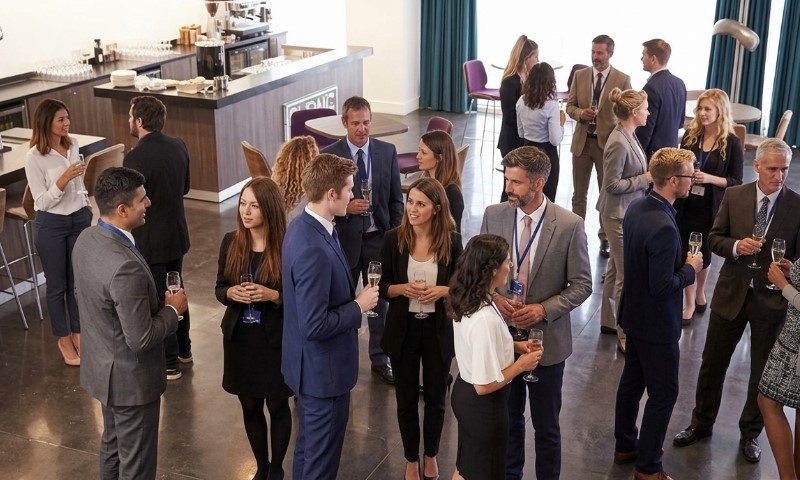
Networking becomes far easier when people receive some structure.
Useful prompts, clear formats, and suitable spaces reduce awkwardness and help guests make more relevant connections.
Replace Unstructured Networking with Guided Formats
Speed networking uses short conversations followed by planned rotations.
Discussions lasting around three to five minutes can help each participant meet approximately 10 to 15 people within a relatively short period.
The time limit removes some of the pressure because neither person has to work out how to end the conversation.
Roundtable discussions are another useful option. Tables can be organized by industry, role, business challenge, geographic market, or shared professional interest.
Prompts may focus on recent successes, current obstacles, useful tools, customer expectations, or possible areas of collaboration.
These topics give guests something more meaningful to discuss than job titles and standard introductions.
Introduce Spaces for Networking
View this post on Instagram
Networking feels different for every guest, which is why one type of space is rarely enough.
Some people are much more comfortable in busy areas filled with quick introductions and group conversations. Others are more at ease in quieter corners where they can talk without too much noise.
Games, photo booths, group challenges, and shared activities can make it easier to start a conversation. Instead of searching for the right opening line, guests already have something in common to talk about.
While it may not seem like it is the case, even places like photo booths for iPads can be of quite a big help in those situations.
A few comfortable seating areas near food, drinks, or interactive stations can also lead to relaxed conversations that happen naturally.
Digital contact exchange tools and topic-based online groups can help those conversations continue after the event ends.
Summary
A long corporate event is easier to enjoy when guests regularly move between listening, participating, talking, resting, and discovering something new.
Relaxed seating, varied food options, clear communication, wellness breaks, and enough recovery time can make guests more willing to stay involved until the final session.