Skip to content







For nearly seventy years, pop culture sold one dangerous fantasy as a form of greatness: burn brig.
The phrase “Live fast, die young” became shorthand for rebellion, talent, beauty, and raw authenticity. It was cinematic. It was romanticized. And it was deadly.
Today, that philosophy is collapsing in real time. The biggest music stars in the world are no longer trying to self-destruct for credibility. They are building structured lives, disciplined routines, mental resilience, and physical longevity.
This shift did not happen quietly. It came after decades of public funerals. This is how the myth started, who it killed, and how a new generation of artists dismantled it.
The Origin of the Myth: James Dean and the Birth of Eternal Youth

The phrase is forever tied to James Dean, who died in 1955 at just 24 years old. Dean was not a drug addict or a wild party animal in the modern sense, but his sudden death created something powerful: the illusion of permanent youth and untouchable rebellion.
He never aged. He was never reduced by time. He was frozen as an icon.
Music absorbed that idea completely in the late 1960s. Rock culture fused rebellion, fame, money, sex, drugs, and danger into one unified identity. Early death became not only a tragedy but a twisted form of branding.
When Jimi Hendrix, Janis Joplin, and Jim Morrison all died at 27 within a short time span, the industry unknowingly manufactured the “27 Club.” What should have been a warning became mythology. Early death was no longer a cautionary tale. It became a badge of honor.
@wg4ustqs5kr Forever Young James Dean#giants #hollywood #actor #movie #celebrity #jamesdean #oscar #oscarsathome ♬ original sound – Olivia Rose
What “Living Fast” Actually Meant Behind the Scenes
From the outside, the lifestyle looked glamorous.
- Endless touring without rest.
- Daily alcohol abuse is normalized as a social ritual.
- Heavy use of stimulants, opioids, and sedatives.
- Severe sleep deprivation.
- No consistent medical care.
- No mental health support.
- Total emotional isolation disguised as freedom.
@professorgraemeyorston What made Jim Morrison self-destruct? #jimmorrison #thedoors #27club #mentalhealth ♬ Light My Fire – The Doors
Jim Morrison drank himself into organ failure before 30. Janis Joplin masked loneliness with heroin. Jimi Hendrix, one of the most underrated guitarists, mixed exhaustion, pressure, and drugs until his body shut down.
- Kurt Cobain fought chronic pain, addiction, and depression until his suicide.
- Amy Winehouse became a global tragedy through public relapse and physical decline.
- Mac Miller died from an accidental overdose after years of visible recovery attempts.
The philosophy promised artistic fire. In practice, it delivered burnout, dependency, and collapse.
The Industry Did Not Save Them. It Profited From Them
For decades, breakdowns sold records. Chaos created headlines. Headlines sold tours. Tours fed labels. No one wanted to slow artists down when self-destruction kept the spotlight hot.
- Artists who asked for rest were labeled “difficult.”
- Artists who spiraled were labeled “real.”
The machine did not protect them. It consumed them.
The Public Turning Point: When Death Stopped Looking Cool
The shift finally began when funerals became too frequent to romanticize.
When Amy Winehouse died in 2011, the global mood changed. The narrative was no longer a rebellious tragedy. It was a preventable loss.
- Avicii (2018) – touring overload, anxiety, emotional collapse
- Lil Peep (2017) – emotional vulnerability mixed with prescription drugs
- Juice WRLD (2019) – unmanaged anxiety and dependency
- Pop Smoke (2020) – lifestyle tied to constant danger
By the late 2010s, even the music industry could no longer deny what was happening. The myth was killing too many people, too publicly, too fast.
The New Philosophy: Discipline, Health, and Longevity
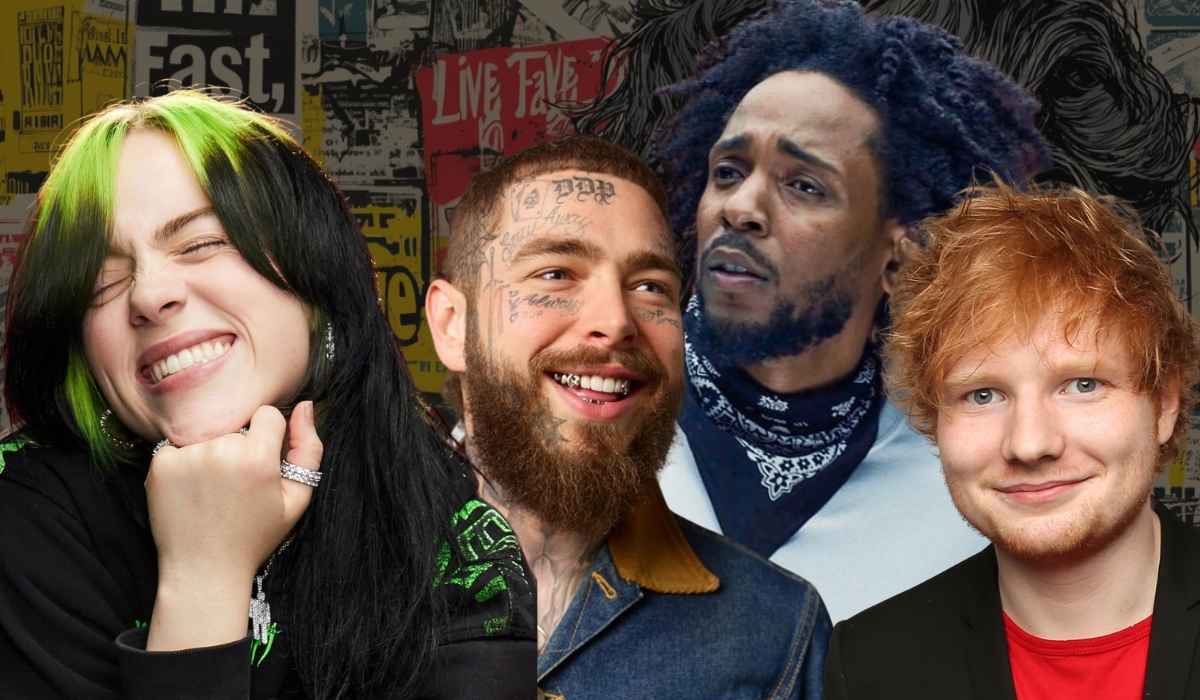
Today’s biggest stars are not weaker than their predecessors. They are strategic, where previous generations were reckless.
| Artist | Key Themes / Actions | Outcome / Focus |
|---|---|---|
| Billie Eilish | Therapy, emotional boundaries, nervous system regulation, burnout awareness; carefully paced career; protected personal life | Deliberate survival and sustainable career |
| Kendrick Lamar | Minimal chaos, maximum control, deep introspection without substance abuse | Longevity built on discipline |
| Post Malone | Reduced alcohol, rebuilt training habits, adjusted touring schedule, stabilized routines | Improved health, stabilized life rhythm |
| Ed Sheeran | Quit alcohol completely, endurance training, sleep discipline, strict touring boundaries | Sobriety credited for protecting creativity and family life |
View this post on Instagram
This generation is not trying to die beautifully. They have been trying to live powerfully for decades.
Read more: Find out what weird hobbies some celebrities have and what they do in their free time away from the cameras!
Recovery Is No Longer Private – It Is Professional
Modern artists treat recovery as part of career infrastructure. Physical and neurological performance matter now in ways the old industry ignored.
Some artists now rely on advanced medical recovery tools, including altitude simulation, oxygen therapy, and structured rehabilitation.
High-performance wellness has entered mainstream music culture, with facilities such as the Beverly Hills hyperbaric center becoming part of the broader conversation around recovery, fatigue management, and long-term nervous system protection for high-stress professions.
This reflects a deeper truth: artists today are not just performers. They are endurance athletes of the nervous system.
The Survivors Who Rebuilt Themselves
Some legends survived long enough to escape the myth entirely.
- Elton John became sober in 1990 and transformed into a decades-long touring powerhouse.
- Ozzy Osbourne survived addiction through medical structure, full lifestyle change, and strict supervision.
- Steven Tyler rebuilt his body, voice, and touring practices after repeated rehab cycles.
- Iggy Pop, once the definition of on-stage self-destruction, now lives with extreme health awareness.
None of them stayed alive by staying wild. They stayed alive by changing everything.
Why “Live Fast, Die Young” Is Truly Dead
- Money now rewards longevity, not short explosions
- Fans now support recovery more than collapse.
- Mental health is no longer taboo in public careers.
Young artists can now imagine being 50, 60, even 70 – and still relevant. That was unthinkable in the age of Hendrix.
Final Truth
James Dean never chose to represent early death as a lifestyle. Culture assigned it to him after the fact. The music industry then spent decades feeding that story to generation after generation of artists.
Now the story has changed. “Live fast, die young” is no longer a dream. It is a warning.
The artists who last today are not the most reckless. They are the most structured and they know how to turn their pain into profit. And for the first time in modern music history, long life is finally more impressive than beautiful destruction.