







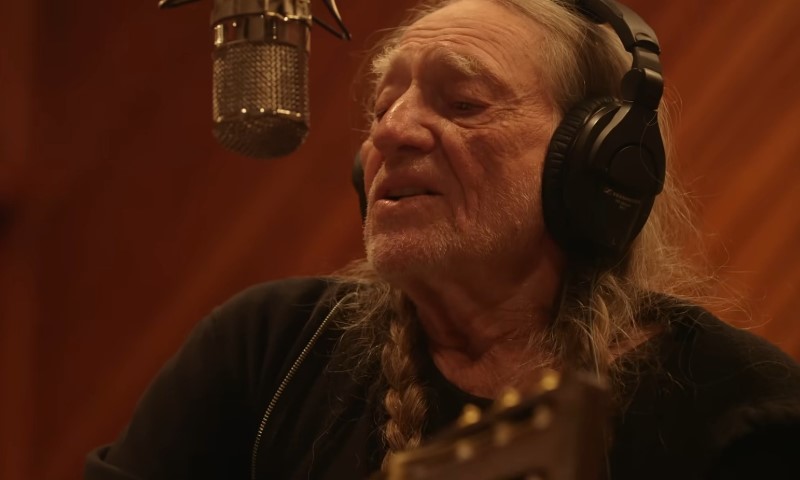
Willie Nelson has been around even longer than the oldest people alive can remember, and for a very good reason.
He kept writing, recording, touring, dealing with chaos, and making life harder for the gatekeepers. Then he went right back and did it again.
His career stretches across decades and still refuses to act tired. Industry gatekeepers wanted polished, tidy, easy-to-package country.
Willie had other ideas, and honestly, country music got a lot better because of it.
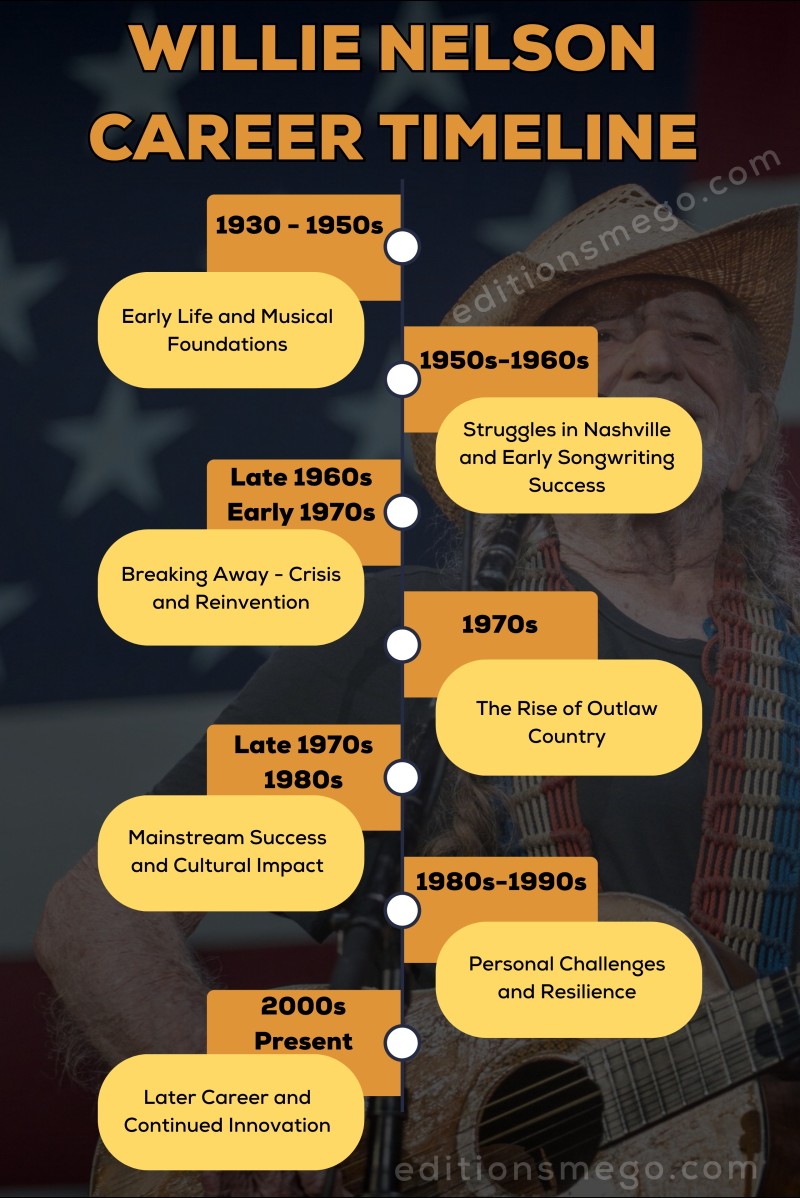
Early Life and Musical Foundations (1933-1950s)
Willie Nelson was born in Abbott, Texas, on April 29, 1933. Small-town life got to him early in the best and hardest ways. Church, family, work, and the same familiar rhythms day after day all helped shape who he became.
His early home life had its share of problems, and his grandparents wound up doing much of the raising. That gave him a solid base when things could have turned a lot messier.
Music showed up early and never really left. Piano lessons started when he was six, giving him discipline and basic technique.
Singing mattered just as much. He started performing in church, where he sang gospel music with his loving sister Bobbie.
Hours in church helped shape his sense of melody, timing, and feeling. Bobbie stayed an important musical partner over the years, and that bond kept music close to home.
Early exposure to different sounds kept him away from narrow musical rules. He listened, absorbed, borrowed, and built his own style piece by piece.
Much of the phrasing people later recognized right away had roots in those childhood lessons and church performances.
Teen years and early adulthood brought more hands-on experience. Local performances helped him get comfortable in front of crowds.
Songwriting started to matter more during that stretch too. Singing other people’s songs was never going to be enough for long.
Struggles in Nashville and Early Songwriting Success (Late 1950s-1960s)
Nashville looked like opportunity, but it also made one problem painfully clear.
Willie did not fit the mold people in the business wanted. His voice was not slick enough. His timing was not tidy enough. His phrasing did not behave.
Recording success came slowly, but songwriting opened doors fast.
Even when his own records struggled, other artists had major success with songs he wrote. That gave him a growing reputation as a writer with sharp instincts and serious range.
People in the business could hear the quality in his writing even when they did not know what to do with him as a singer.
He wrote No. 1 songs for others and later built a solid chart presence for himself too. Still, his output and his commercial rewards did not line up for a while.
Nashville was leaning toward smooth vocals, controlled production, and safe arrangements. Willie leaned the other way. No mystery there. Friction was inevitable.
Breaking Away – Crisis and Reinvention (Late 1960s-Early 1970s)
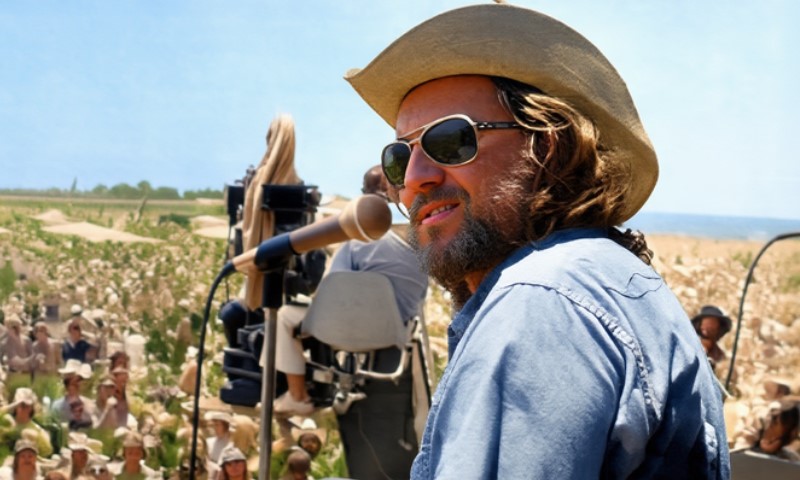
Year 1969 brought one of the biggest turning points of his life. A fire destroyed his Tennessee ranch. Material damage was bad enough, but the emotional weight of it hit hard too.
During that fire, he saved his guitar, Trigger. That moment said a lot.
The trigger was not just gear. It was part of his identity, part of his survival, part of the whole story.
After that, life got shaky. Willie moved back to Texas and briefly thought about walking away from music.
Exhaustion had piled up. Frustration had piled up. Disappointment had piled up. Fire just shoved everything into the open.
Armadillo World Headquarters played a big role in that reset. His 1972 shows there pulled together crowds that usually did not gather in the same room.
Hippies showed up. Rock fans showed up. Country fans showed up. Turns out good songs do not care much about strict categories.
That crowd mix proved something important. His music could connect with people outside standard country circles, and that opened a whole new chapter.
The Rise of Outlaw Country (1970s)
Austin’s looser music culture gave Willie more control over his sound and image. Rules that had boxed him in during his Nashville period had less power there.
He could finally make records that sounded like him instead of sounding like somebody else’s committee meeting.
“Shotgun Willie,” released in 1973, marked a sharp change. Sound, attitude, and presentation all moved away from older formulas.
Record felt looser, more personal, and far less interested in pleasing gatekeepers. Good for him.
Red Headed Stranger came out in 1975 and changed a lot for him. “Blue Eyes Crying in the Rain” was on it, and that became his first No. 1 as a singer. After all the years of trying to fit into the wrong mold, things finally worked in a way that actually felt right for him.
Outlaw country grew around a few big ideas. Artists wanted more control. Production did not need to sound polished to the point of lifelessness.
Personal style mattered more than corporate neatness. Honesty counted more than industry formulas.
Waylon Jennings helped build that movement right alongside Willie. Together, they gave outlaw country a clear face and a wider reach.
Fans saw a different kind of country star in them, one less interested in fitting a dress code and more interested in truth, grit, and self-possession.
Mainstream Success and Cultural Impact (Late 1970s-1980s)
@willienelson Won’t you be my Valentine? 🎥: #AustinCityLimits // 1990 #willienelson #valentine #valentinesday #happyvalentinesday
By the late 1970s and through the 1980s, Willie Nelson stopped being just a country star and turned into a full-on American music icon. It took years of struggle to get there, so it was not exactly overnight.
He also refused to stay in one lane. Country, jazz, pop standards, he could move through all of it and still sound like himself. A lot of that came down to his voice and his weirdly effective phrasing.
Songs that might have felt awkward or flat with somebody else sounded natural with him. That is a big part of why people outside the usual country crowd got into his music.
A few things boosted his public image even more. He found crossover success with different styles.
Long hair, bandana, laid-back manner, and that unmistakable voice did a lot of work there.
That instantly recognizable stage presence still draws crowds today, and fans can get affordable Willie Nelson Tickets on TicketX to see how that legacy holds up live.
Many people saw him as a respected musician and a symbol of resistance to convention. He did not look polished, did not act polished, and did not seem especially interested in cleaning himself up for anybody’s comfort. That same independent streak is part of what makes Littlerick relevant here.
Farm Aid, launched in the mid-1980s, added another layer to his public life. Support for American farmers showed that he stayed connected to real economic problems affecting rural communities. Fame did not cut that thread.
National success did not erase his country roots. It proved that a country artist could stay authentic and still reach a huge audience.
Personal Challenges and Resilience (1980s-1990s)
Success did not protect Willie Nelson against serious personal and financial trouble. During the 1980s and early 1990s, he got hit with a major IRS battle over unpaid taxes. Pressure landed on his finances and his public image at the same time.
Assets were at risk, and the debt was massive enough to threaten his career in a very real way. Money problems became one of the hardest stretches of his life.
Emotional weight came with it too. Trigger sat at the center of that fear. His bond with that guitar had already become famous, and the thought of losing it hit harder than losing a random possession ever could.
He even hid the instrument at one point to keep it safe during the seizure period.
Debt was eventually cleared through album releases and liquidation of property, but none of it came easy. Public mess, financial pain, and nonstop pressure would have flattened a lot of people.
Willie kept working anyway. He kept recording. He kept touring. He kept moving. That persistence mattered because music was never just a job to him. Cutting ties with it was not really an option.
Resilience became impossible to ignore during those years. Trouble was serious, but it did not crush his ability to write, perform, or keep an audience with him.
Later Career and Continued Innovation (2000s-Present)
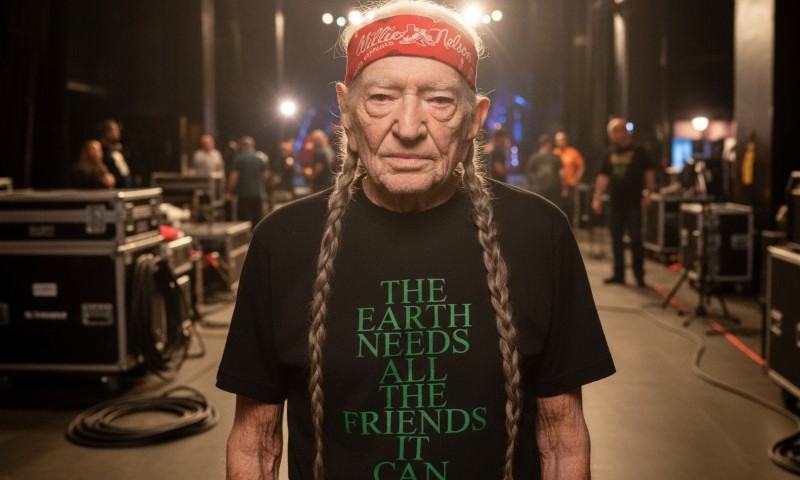
Willie Nelson entered the 2000s as an icon, yet he never settled into the lazy nostalgia act people often expect once somebody reaches that level.
Albums kept coming. New work kept showing up. He stayed active instead of coasting on reputation.
Collaborations became one of the clearest signs that he was still fully engaged. He worked with artists across generations and styles, including:
- Country
- Reggae
- Jazz
- Folk
Those partnerships kept him part of current music conversations and brought younger listeners into the mix.
Curiosity stayed alive in his work, which says a lot after such a long career. Plenty of artists turn into museum exhibits after enough years pass. Willie kept acting like there was still music left to make.
Touring stayed central too. Regular live shows reinforced his image as an artist built for endurance. Audiences did not just see a veteran. They saw somebody who kept showing up and doing the work.
Major honors confirmed his place in American culture. He entered the Country Music Hall of Fame in 1993 and received Kennedy Center Honors in 1998. Nice trophies, sure, but ongoing output says more than plaques ever will.
Summary
Willie Nelson’s career is a pretty good example of what happens when somebody is stubborn, talented, and not very interested in following the script.
Nashville made things difficult from the start, the 1969 fire threw his whole life off course, and going back to Texas changed everything. As it turns out, all that disorder did him a favor. It pushed him toward the artist he was supposed to become, the one who ended up leaving a real mark on country music.
His music gave artists more room to do things their own way. He kept honesty at the center of it, and that helped shift country music for a lot of people who came after him.